
 ?>
?>
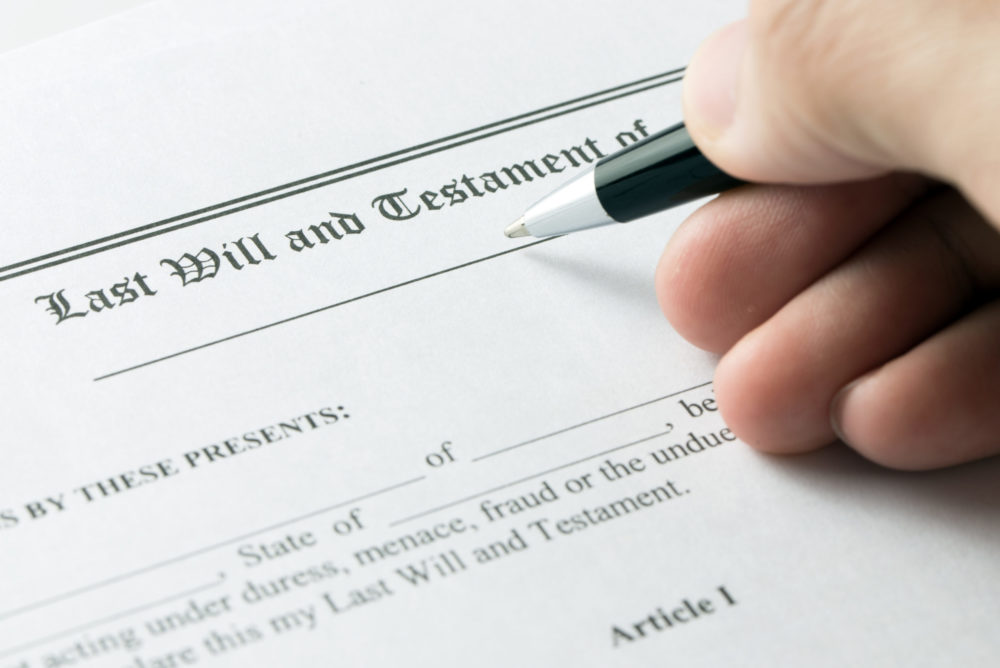
Once you finish crafting the terms and conditions of your Last Will and Testament document, you may assume that you can simply provide your signature at the bottom and be done with it. However, this is not the case if you want the New York State Surrogate’s Court to deem it valid and enforceable at the time of your estate administration. With that said, please follow along to find out the mistakes to avoid making when enforcing, changing, or replacing your will and how a proficient Putnam County wills attorney at the Law Office of Andres D. Gil, PLLC, can help you take any of these actions.
What mistakes should I avoid making when enforcing my will?
First of all, your will must be a physical, written document rather than merely spoken words. With that, you must write out the terms and conditions of this document when you are at least 18 years of age. But also, you must be deemed of sound mind and memory, or else it may be argued later on before the New York State Surrogate’s Court that you were unduly influenced or coerced.
Similarly, you must sign this document in front of two witnesses who are also 18 or older and of acceptable mental capacity. These two witnesses must offer their signatures at this time, as well. New York State estate law does not necessarily require the presence of a notary. Although it does not hurt to include one in this part of the process. This is because a self-proving affidavit may verify the authenticity of your Last Will and Testament document and ultimately simplify the probate process down the line.
What mistakes should I avoid when changing or replacing my will?
More often than you may realize, testators may establish their Last Will and Testament documents only to realize that they must add, remove, or modify certain terms and conditions. This is because they may experience drastic personal changes ever since they put pen to paper and signed the bottom of this estate planning document. Well, in New York State, there are specific legal procedures for changing or replacing your will.
For one, you may create a codicil. This is a separate legal document that modifies certain instructions left in the original will document. For it to be recognized by the surrogate’s court, you must execute it with the same formalities as your original will (i.e., signing it before two witnesses, the two witnesses signing it, etc).
On the other hand, you may want to create a new will entirely if your intended changes are more major. With this, though, you must ensure that you revoke your original will and go as far as to physically destroy it. Then, in your new will, you must make mention of revoking all your prior wills and codicils, so as to avoid any confusion amongst your executor, beneficiaries, and the court later on.
If you find yourself in need of legal aid, look no further than a talented estate planning attorney in Putnam County. Whether you simply have a legal question or require legal representation in an upcoming court case, our team at the Law Office of Andres D. Gil, PLLC, is willing to help out. Please pick up the phone and call us today.