
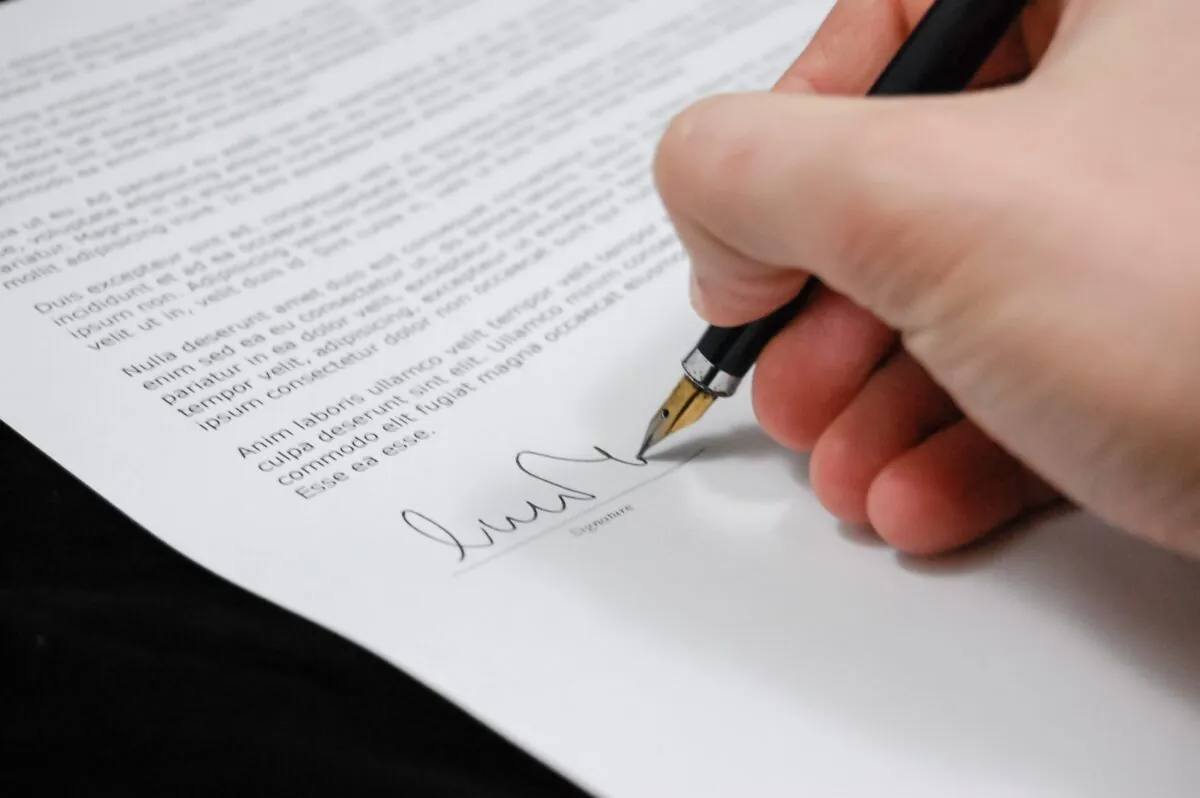
Creating a will is one of the most important steps you can take to protect your loved ones and assets following your death. However, many individuals in New York are unsure as to whether or not their will meets the necessary legal requirements for probate. When a will is written, it must follow certain guidelines in order for it to be considered a valid, legal document. If a will does not meet the requirements to be considered valid, it can be rejected by the Surrogate’s Court, resulting in delays, disputes, litigation, and the distribution of assets against your wishes. As such, understanding what makes a will legally valid in New York State, the most common mistakes, and how to avoid them is critical to your peace of mind for the future.
What Makes a Will Legally Valid in New York?
Under New York law, a last will and testament must meet strict statutory requirements in order to be valid. If the formalities under Estates, Powers & Trusts (EPTL) §3-2.1 are not met, the will may be deemed invalid by the Putnam Surrogate’s Court, which handles probate matters for residents of Putnam County.
New York Estates, Powers & Trusts (EPTL §3-2.1) Requirements
- The testator must be at least 18 years old
- The testator must be of “sound mind and memory”
- The will must be in writing
- The testator must either sign the will themselves or another person must sign the testator’s name at their direction and in their presence
- At least two people must witness the signature and sign their names on the will within 30 days of each other
- At some point during the will’s execution and attestation, the testator must tell each witness that the document is their will
These requirements are mandatory under New York law, and as such, the Putnam Surrogate’s Court does not have the authority or discretion to overlook the improper execution of a will, even if your intentions are clearly stated.
What Does “Sound Mind and Memory” Mean?
As stated, in order for a will to be valid under New York law, the testator must be of sound mind and memory. Essentially, this means that they must have testamentary capacity at the time of the will’s execution. This generally means that the individual:
- Understands that they are establishing a will
- Understands the nature and estimated value of their assets
- Understands the natural beneficiaries of their estate (like family members)
- Understands how property will be distributed in accordance with the will
In the event that the capacity of the testator is challenged during the probate process, the Surrogates Court can examine medical records from the period during which the will was executed, as well as witness testimony.
Why Are So Many Wills Challenged in New York?
Even when a will appears valid on the surface, many disputes arise during the probate process. Unfortunately, many of these challenges are based on improper execution, lack of capacity, or undue influence.
Common Reasons a Will Is Contested
- The will was signed incorrectly
- One or both witnesses were not present
- A beneficiary acted as a witness at the will’s execution
- The testator allegedly suffered from mental decline at the time of the will’s execution
- A family member or beneficiary claims undue influence or coercion
- The will was modified improperly after its execution
What Happens if a Will Is Invalid?
In the event a will does not meet the legal requirements in accordance with New York Estate laws, it may be rejected by the Surrogate’s Court. If this occurs, New York State intestacy laws will dictate how assets are distributed under Estates, Powers & Trusts (EPTL) §4-1.1. Essentially, this means that your wishes for asset distribution will not be honored, and the state will disperse assets based on a pre-determined hierarchy based on your surviving relatives.
Intestate Succession Rules
- A surviving spouse may receive the entire estate or a predetermined portion
- Children can inherit in accordance with statutory guidelines
- Extended family members may inherit assets if there are no surviving spouses or children
- The court will appoint an administrator to act as the executor of the estate
Does a New York Will Need to Be Notarized?
A will does not need to be notarized in order to be legally valid and binding in New York. However, signing a self-proving affidavit before a notary can significantly speed up the probate process following your passing.
Benefits of a Self-Proving Affidavit
- Avoids the need to locate witnesses at a later date
- Speeds up the probate process
- Reduces administrative court delays
- Strengthens enforceability
Can You Write Your Own Will in New York?
If you wish to write your own will by hand, also called a holographic will, it’s important to understand whether or not this will be honored by the Surrogate’s Court. In general, you’ll find that only members of the armed forces during active service or mariners at sea are eligible to write a handwritten will. For most individuals, a handwritten will that is not properly witnessed in accordance with New York law will be deemed invalid.
Risk of DIY Wills
- Often fail to meet witness requirements
- May have ambiguous language
- Increases the likelihood of probate disputes
- Increases the risk of rejection by the Surrogate’s Court
How to Ensure Your Will Is Valid and Enforceable
If you are interested in creating a last will in Putnam County, it is in your best interest to connect with a local estate planning attorney to assist you through this process. As local court procedures, filing requirements, and deadlines can vary from court to court, working with an experienced Putnam County will lawyer can help ensure your wishes are met while adhering to the legal requirements to ensure your will is valid.
Additional steps you can take include:
- Executing the will under supervision
- Include a self-proving affidavit
- Review your will following significant life changes
- Store the original will securely and inform your executor of its location
Regular review of your will is critical to ensure it still reflects your wishes. As such, births, deaths, divorces, marriages, and the acquisition of new property are all instances in which reviewing your will is recommended.
Contact Our Experienced New York Estate Planning Firm Today
If you are ready to establish your will in Brewster or anywhere in Putnam County and want to ensure it meets all necessary legal requirements while accurately reflecting your wishes, the team at the Law Office of Andres D. Gil, PLLC, is ready to assist you. We understand how complicated these matters can be to navigate, which is why we will do everything in our power to help you achieve peace of mind for the future. Contact us today to learn more.